
Acoustic Listening Versus Excavation for Leaks
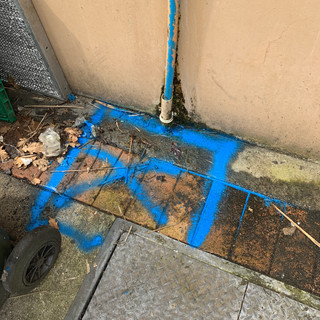
A wet patch beside the driveway, a water bill that has climbed without explanation, or a pool level that keeps dropping can quickly lead to one expensive question: where should we start digging? Acoustic listening versus excavation is not simply a choice between two methods. It is the difference between investigating the likely leak location first and opening up ground, concrete or walls based on a guess.
For Auckland property owners, the practical aim is to locate the problem as accurately as conditions allow, then carry out only the work needed to repair it. Excavation is sometimes necessary. It should usually be the repair step, not the first diagnostic step.
Why digging first can become costly
A concealed leak does not always show itself directly above the damaged pipe. Water can travel through soil, along pipe bedding, beneath a concrete slab or through wall framing before appearing as dampness. The visible symptom may be several metres from the actual fault.
Digging at the wettest point can therefore miss the leak altogether. On a residential property, that may mean lifting pavers, cutting a driveway or disturbing landscaping twice. In commercial settings, unnecessary excavation can affect accessways, tenant operations, car parks and health and safety planning.
There is also the repair cost to consider. Reinstating concrete, tarseal, tiles, gardens or finished interior surfaces can cost more than the plumbing work itself. A targeted investigation helps reduce the area that needs to be opened and gives owners clearer information before approving repairs.
That does not mean every leak can be found to the centimetre without digging. Pipe depth, soil type, background noise, water pressure and the condition of the line all affect the result. A competent technician uses the evidence available to narrow down the location and recommend the most sensible next step.
Acoustic listening versus excavation: how the decision works
Acoustic listening uses sensitive electronic equipment to detect the sound created as pressurised water escapes from a pipe. A leak can produce a hiss, hum or vibration that travels through the pipe and surrounding ground. The technician listens at selected points and compares the strength and character of the sound to identify the most likely leak area.
The method is particularly useful for pressurised water lines beneath lawns, paths, driveways, concrete and other hard surfaces. It can also assist where a leak is suspected in walls or under floors, provided the pipe and building construction allow the sound to be detected clearly.
Excavation, by comparison, exposes the pipe so it can be inspected and repaired. It is the right approach once testing has established a practical dig location, or when the condition of the pipework makes replacement unavoidable. The issue is not that excavation is wrong. The issue is excavating without enough diagnostic information.
A good process often combines both approaches. First, investigate the water loss and trace the line. Next, use acoustic listening and other testing methods to narrow the fault area. Then excavate, cut an access opening or remove a limited section of surface only where repair work is justified.
What acoustic equipment can tell us
Acoustic testing is a listening method, not a magic scanner. Its value comes from using specialist equipment correctly and interpreting the results alongside the property’s plumbing layout and symptoms.
A technician may listen at accessible valves, fittings, meters and surface points above the suspected line. Stronger leak noise in one area, supported by pipe location information, can identify a suitable repair zone. On a grassed verge or lawn, that might avoid turning a large area into an exploratory trench. Under a concrete driveway, it may mean one controlled opening rather than multiple cuts.
The test is most effective when the pipe is under pressure and the leak is producing enough sound. Larger pressure leaks often create a clearer acoustic signal than very small weeps. A line with low pressure, a deeply buried pipe, heavy traffic noise or dense reinforced concrete may make the signal harder to isolate.
This is why experienced leak detection is not based on one instrument reading. The technician considers whether the meter is moving, whether water use has been isolated, where the pipe runs, the age of the service and whether moisture is present in the surrounding structure.
Pipe tracing gives the sound a location
Before listening can be used effectively, it helps to know where the pipe is likely to run. Trace-wire pipe location equipment can identify the path of suitable underground services, reducing uncertainty about whether the sound is coming from the relevant line.
Knowing the pipe route is especially useful on properties where plans are unavailable, renovations have altered the layout, or pipes pass beneath concrete and landscaped areas. It also helps distinguish a likely plumbing issue from water travelling from another source.
Other tests may be needed
Not all water problems are pressure-pipe leaks. Moisture testing and thermal imaging can help investigate damp wall linings, ceiling stains and areas where water may be entering a building through failed waterproofing rather than escaping from plumbing.
Swimming pools need their own testing approach. Water loss may relate to pipework, a structural crack, fittings, lights, skimmer components or evaporation. Acoustic testing can be useful in some pool plumbing situations, but dye testing, pressure testing and close inspection may be needed to establish the cause.
When excavation is the better option
There are circumstances where digging sooner is reasonable. If a pipe has already been exposed by erosion, if there is an obvious burst, or if a known section of old pipe has repeatedly failed, direct access may be the most cost-effective solution. A severe leak that is undermining a driveway, retaining area or building footing may also require urgent excavation after services have been made safe.
Excavation can also make sense where replacement is preferable to spot repair. For example, a badly deteriorated line with several prior leaks may not justify repeated testing and patch repairs. The right decision depends on the pipe material, accessibility, property use, repair history and budget.
Even then, locating and tracing the service first can help protect other buried utilities and reduce the extent of the opening. The objective is controlled work, not digging for the sake of finding out.
A practical leak investigation process
A reliable investigation starts with the symptoms. Is the water meter moving when all water use is off? Has the bill increased? Is there a damp area that persists through dry weather? Does the issue affect a cold-water line, hot-water system, irrigation supply, pool or drainage area?
From there, the technician isolates sections where possible and tests the most likely source. Pipe tracing establishes the route of concealed pipework. Acoustic listening targets pressurised leak noise. Moisture and thermal checks investigate building materials when internal dampness is involved. Each result either strengthens the likely diagnosis or rules out a costly false lead.
The outcome should be clear enough to support a decision: monitor, investigate further, make a limited opening, repair the fault, or replace a failing section. Water Leaks Auckland uses this non-invasive approach to help residential and commercial customers move from uncertainty to an appropriate repair plan.
What property owners can do before testing
If you suspect a concealed leak, avoid assuming the damp spot identifies the pipe fault. Take note of when the problem appeared, whether it changes after rain, and whether water loss continues when fixtures are not being used. If safe to do so, photograph affected areas and record water-meter readings over a set period.
Keep access clear to the meter, likely valve locations and the affected area. For commercial sites, let the technician know about traffic, operating hours, restricted areas and known underground services. These details can make testing more efficient and help prevent disruption.
Do not delay where water is surfacing, soil is washing away, a concrete area is moving, or moisture is affecting electrical or structural areas. Early diagnosis can limit water loss and reduce the chance that a manageable pipe repair becomes a larger property repair.
The best next step is usually not to choose between listening and digging from the outset. Arrange testing that identifies what the evidence supports, then spend the excavation budget where it will actually solve the problem.


Comments