
Best Methods for Locating Water Pipes Accurately
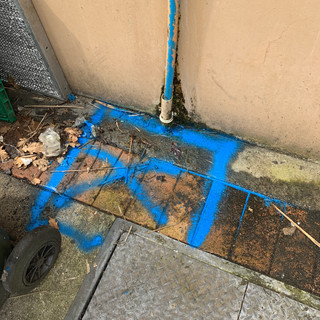
A leaking service line beneath a driveway, an unknown pipe route before excavation, or a damp patch beside a building can all lead to the same costly mistake: digging where the pipe is not. The best methods locating water pipes depend on the pipe material, its depth, the surface above it and whether there is an active leak to investigate. A proper location process replaces guesswork with evidence, helping protect lawns, concrete, walls and budgets.
For Auckland properties, pipework is often hidden beneath established gardens, concrete slabs, tarseal, paved areas and building floors. Plans can be incomplete, altered work may not be recorded, and older properties can contain more than one generation of pipework. The right method is rarely about using one tool alone. It is about selecting the test that suits the pipe and confirming the result before repair work starts.
Best methods for locating water pipes on a property
Trace-wire location for marked or locatable pipework
Trace-wire pipe location is one of the most accurate non-invasive options where a conductive wire has been installed alongside a non-metallic water pipe. A technician applies a signal to the wire and follows it from above ground with a receiver. This can establish the pipe route and, in suitable conditions, provide an indication of depth.
This method is particularly useful for modern polyethylene water lines, where the pipe itself cannot be detected by conventional electromagnetic equipment. It is a practical choice before fencing, landscaping, drainage work or targeted excavation.
The limitation is straightforward: the trace wire must be continuous and accessible. A broken wire, poor connection or unmarked older pipe can reduce accuracy. In those cases, another method may be needed to locate the line or narrow the search area.
Electromagnetic locating for metal pipes
Metal water pipes can often be traced by applying a signal directly to exposed metalwork, such as a pipe at the meter, valve or other access point. The receiver detects the signal along the route, allowing the technician to mark the likely pipe position on the surface.
This is effective for copper, steel and some older galvanised pipework. It can also help identify buried metallic services before excavation. However, metal fences, reinforcing steel in concrete, power cables and nearby utilities can interfere with the signal. A skilled operator accounts for these conditions rather than treating one reading as a final answer.
Electromagnetic locating tells you where a pipe is likely to run. It does not always confirm whether that pipe is carrying water, whether it is leaking or whether there are branches further along the line. Testing should match the question being asked.
Acoustic listening to find active leaks
When water is escaping under pressure, it often creates vibration and sound. Acoustic listening equipment amplifies those sounds through surfaces such as concrete, tarseal, soil and internal floors. By taking readings at valves, fittings and points along a suspected route, a technician can compare the noise and identify where it is strongest.
Acoustic testing is one of the most valuable methods for finding the likely location of a concealed pressure leak. It can prevent the disruption of lifting large areas of paving or breaking through a concrete slab simply to search.
Results depend on the leak and the environment. A larger pressurised leak on a rigid pipe may produce a clear sound, while a very small leak, plastic pipe, deep soil or noisy commercial site can be more difficult. Traffic, machinery and flowing water within the building can also affect listening conditions. That is why acoustic testing is normally combined with pressure checks, pipe tracing or moisture investigation rather than used in isolation.
Thermal imaging for internal and building-related leaks
Thermal imaging detects surface temperature differences. Water travelling through a wall, floor or ceiling can change the temperature of the material around it, creating a pattern a trained technician can interpret. It is especially useful where there is suspected moisture from a hot-water line, hidden plumbing leak, shower area or building envelope issue.
A thermal camera does not see through walls or concrete. It identifies temperature variation at the surface. Sun exposure, air-conditioning, insulation gaps and recent rainfall can create similar patterns, so thermal imaging must be verified with moisture testing and other site evidence.
Used correctly, it helps focus investigation on the affected area. Instead of removing a broad section of wall lining or flooring, repairs can be planned around a more defined location.
Moisture testing for damp walls, floors and surrounding ground
Moisture meters and related testing methods identify elevated moisture in building materials and around suspected leak zones. They are useful for confirming whether a damp mark is active, checking the spread of moisture and distinguishing a plumbing issue from surface water ingress, condensation or a waterproofing failure.
For example, a damp internal wall may be caused by a leaking pipe, but it could also relate to exterior cladding, flashing, a shower recess or rising moisture. Moisture testing helps establish where water is present, while other tests determine where it is entering.
This distinction matters. Repairing a pipe will not resolve a failed waterproofing detail, and waterproofing work will not stop a pressurised pipe leak. Accurate diagnosis protects you from paying for the wrong repair.
Locating pipes beneath lawns, concrete and driveways
Surface type changes the investigation. On a lawn, pipe tracing and acoustic testing may be able to narrow the route without disturbing the ground. Moist or unusually green grass can be a useful clue, but it is not proof of a leak. Irrigation, drainage and natural soil variation can produce similar signs.
Under a concrete driveway or slab, acoustic listening, electromagnetic locating and pressure testing are often more valuable because excavation is disruptive and expensive. The goal is to identify the most likely repair point before any concrete is cut. If a pipe route is unclear, multiple readings and test points may be required.
Tarseal and paved areas present similar challenges. They can carry sound well, but nearby vehicle noise and other buried services need to be considered. A clear surface mark is useful, yet it should be treated as a targeted investigation point rather than a guarantee that a leak sits directly below it.
Why records and visual clues are not enough
Property plans, previous invoices and photos can provide a helpful starting point. They may show where the water supply entered the property or where a renovation took place. But they are not a substitute for on-site location. Pipes are commonly rerouted during additions, repairs and landscaping, and records do not always show exact depths, junctions or later alterations.
Visual signs are equally useful, but limited. High water bills, a constantly moving water meter, damp carpet, cracking paving, low water pressure and unexplained pool water loss all indicate a problem worth investigating. They do not reliably identify the pipe route or the source of the water.
A sensible approach starts by checking whether water loss is occurring, isolating sections where possible, then selecting the most suitable locating and leak-detection tools. This is faster and more cost-conscious than starting excavation based on assumptions.
When to call a specialist pipe locator
You should arrange specialist testing when a pipe needs to be found before digging, when the water meter indicates ongoing loss, or when dampness cannot be explained by weather or visible plumbing. Commercial properties should also act early where unexplained water use, wet service areas or possible underground leaks could disrupt operations or damage surrounding surfaces.
Pool owners benefit from a different but related process. Water loss may come from pipework, fittings, the pool shell, skimmer, lighting penetrations or evaporation. A pool leak test identifies the likely source before repairs are chosen, avoiding unnecessary work on the wrong component.
With more than 30 years of practical diagnostic experience, Water Leaks Auckland uses non-invasive testing to locate concealed water issues before recommending the repair or replacement option that fits the property and budget. The useful outcome is not simply a marked line on the ground. It is a clearer path to fixing the problem with the least practical disruption.
Before any digging or demolition is approved, ask what evidence supports the proposed location and whether the result has been confirmed with another method. That one question can save a great deal of unnecessary damage.


Comments