
How to Trace Buried Pipes Without Digging
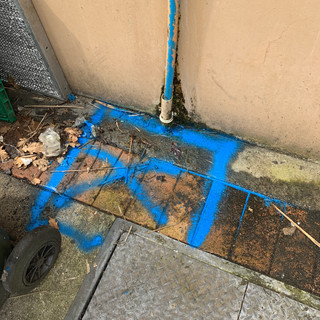
A wet patch beside the driveway, a mystery pipe near a boundary, or plans for a new fence can all raise the same question: how to trace buried pipes without turning the property into an excavation site. The safest answer is to combine what is known about the property with the right locating method for the pipe material, depth and purpose. A quick guess with a spade can damage a water line, drainage pipe, electrical cable or communications service.
Start by identifying what the pipe is likely to carry
Not every buried pipe can be traced in the same way. A pressurised water pipe, stormwater line, sewer drain, pool pipe and irrigation line may run through the same area, yet each has different access points and can be made from very different materials. Before locating begins, look for clues above ground: water meters, taps, hose connections, gully traps, downpipes, inspection openings, pool equipment, pump sheds and drainage grates.
The pipe's likely use affects both the search area and the testing method. For example, a water pipe commonly runs from the meter towards the house or other buildings, but older Auckland properties can have additions, replacement lines and abandoned pipework that do not follow the most direct route. Stormwater pipes often follow the fall of the land, while pool plumbing usually runs between the pool shell and its pump or filter equipment.
Knowing whether the issue is pipe location alone or a suspected leak is equally useful. If there is unexplained water use, a damp area or a drop in pool level, locating the pipe may be only one part of the investigation.
Check available records, but do not treat them as proof
Site plans, drainage plans, renovation records and previous plumbing invoices can give a useful starting point. They may show where services were installed, where drainage leaves the building, or where a previous repair was carried out. For commercial sites, facilities records and as-built drawings can also narrow the search.
However, plans are a guide rather than a guarantee. Services can be rerouted during renovations, records may show only the original installation, and scale drawings do not provide pinpoint positions on the ground. A line drawn near a wall on a plan could be a metre or more away in reality. Use records to form a working route, then verify it with a physical locating method.
Before digging anywhere near a likely service route, arrange the appropriate utility information and service locating checks. Public utility assets and privately owned pipes are not always covered by the same records. The point where responsibility changes can vary, so it pays to establish exactly what sits within the property boundary.
How to trace buried pipes with visible access points
Where there is a known start and finish, tracing can begin with a practical route assessment. A technician may follow the likely path between the water meter and building, or between a gully trap and a drainage connection, while looking for changes in ground level, patches in concrete, repaired tarseal, or areas where grass stays greener than surrounding lawn.
These clues can be helpful, but they are not enough to mark a safe digging line. Moisture can travel through soil, especially on sloping ground. A wet patch may be several metres from the leak, and the pipe itself may curve around foundations, retaining walls or landscaping.
Access points are more valuable when paired with specialist equipment. A pipe can sometimes be located by introducing a signal from an accessible valve, inspection opening or pipe end, then following that signal above ground. This is more accurate than relying on surface signs alone and helps establish the pipe's direction before any repairs are planned.
Trace-wire and electromagnetic pipe locating
Many newer non-metallic water pipes are installed with a trace wire. This is a wire laid alongside the pipe that carries a detectable signal. A transmitter is connected to the trace wire, and a receiver is used above ground to follow the route. The signal can often provide a marked line and an estimated depth, subject to site conditions.
Trace-wire pipe location is particularly useful for plastic water lines beneath lawns, driveways and concrete-adjacent areas. It is non-invasive and gives a repair contractor a far better target than exploratory digging. It also reduces the chance of unnecessarily removing sections of concrete or landscaping.
Metal pipes may be traceable directly with electromagnetic locating equipment because the pipe itself can carry a signal. Results depend on continuity, pipe material, nearby metalwork and electrical interference. Old galvanised pipework, for instance, may have corroded or been replaced in sections, which can interrupt the signal and make a simple trace less reliable.
Locating plastic pipes without a trace wire
Plastic pipes are more challenging when no trace wire was installed. They do not naturally conduct the signal used by standard electromagnetic locators. In some situations, a tracer rod or sonde can be inserted through a suitable access point and tracked from the surface. This can work well for certain drains and conduits where access and pipe condition allow it.
It is not always possible to push equipment through a pipe. Tight bends, damaged sections, tree roots, small diameters and long runs can limit access. Where a pipe cannot be internally traced, the investigation may need to rely on a combination of acoustic testing, moisture testing, thermal imaging, known service points and carefully selected verification points.
Use leak detection methods when the pipe route is uncertain
A suspected leak changes the job from locating an asset to diagnosing a fault. Acoustic listening equipment can detect the sound created by pressurised water escaping from a pipe. By comparing sound levels at the surface and at accessible fittings, a trained technician can often narrow down the likely leak area without lifting slabs or digging through a whole lawn.
Acoustic testing works best when the pipe is pressurised and there is enough sound for the equipment to detect. Ground type, pipe depth, traffic noise and the material around the pipe all affect results. A leak beneath concrete may sound different from one in soft soil, and plastic pipes can carry leak noise differently from metal pipes.
Thermal imaging and moisture testing may also help where water is affecting walls, floors, slabs or surrounding ground. These methods do not see through every material or identify every buried pipe on their own. Their value is in confirming where moisture is accumulating and helping separate a plumbing leak from surface water, drainage problems or waterproofing failure.
For swimming pools, the process may include isolating lines, pressure testing sections of pipework and checking the pool structure and fittings. A falling water level does not automatically mean the underground pool plumbing is leaking. Evaporation, a faulty fitting, a skimmer issue or a structural leak can produce similar symptoms, so targeted testing prevents repair work being directed at the wrong area.
Mark the route and plan the repair carefully
Once a buried pipe has been located, mark the route clearly on the ground and record key measurements from permanent features such as walls, corners or the meter box. Surface paint or flags are useful for immediate works, but a simple sketch and photographs can prevent confusion after rain, mowing or site activity removes the marks.
Depth readings should be treated as estimates, not permission to excavate without care. Locating signals can be affected by soil conditions, congestion from other services and changes in pipe depth. Hand exposure and safe excavation practices remain essential, particularly near buildings, driveways and known utilities.
The best repair approach depends on the pipe's age, material, condition and accessibility. A single localised leak may suit a targeted excavation and repair. Repeated leaks in old pipework may make replacement the more cost-effective option. If the pipe lies below a concrete slab or tarseal, accurate location becomes especially valuable because it can significantly reduce the amount of cutting, reinstatement and disruption required.
When specialist pipe tracing is the sensible option
Professional locating is worth considering when the pipe is under concrete, tarseal, a landscaped area or a building, or when there is active water loss and no clear source. It is also useful before fencing, excavation, drainage work, pool repairs or construction begins. The cost of tracing is often small compared with repairing a damaged service or reinstating a driveway after an unnecessary dig.
Water Leaks Auckland uses non-invasive pipe tracing and leak detection methods to establish where the problem is before recommending repair or replacement options. With more than 30 years of experience, the focus is on giving property owners a clear location, practical evidence and a sensible next step rather than asking them to dig on speculation.
If a buried pipe is creating uncertainty, protect the area, note any changes in water use or dampness, and avoid disturbing the ground until the route has been properly checked. A precise mark on the surface can save a considerable amount of work below it.


Comments