
Locating Pipes Before Excavation in Auckland
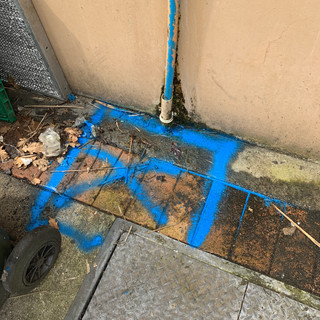
A trench for a new drain, fence post, retaining wall or leak repair can turn expensive very quickly when the first bucket finds a water pipe. Locating pipes before excavation gives you a clear picture of what is beneath the surface, so digging can be planned around existing services rather than relying on guesswork.
For Auckland properties, underground pipework may run beneath lawns, driveways, concrete paths, garden beds, tarseal and building slabs. Older homes can have altered plumbing routes, undocumented repairs or abandoned lines that make plans alone unreliable. A professional pipe trace helps establish where a live pipe is running before work begins.
Why pipes need to be located before digging
The obvious risk is damaging a water pipe and causing a sudden leak. That can mean water loss, a higher bill, muddy excavation, damage to nearby structures and an urgent repair before the original job can continue. If the line is concealed under concrete or tarseal, finding and repairing the damage may involve more cutting and reinstatement than the excavation itself.
There are other services to consider as well. Properties may have water supply pipes, drainage, irrigation lines, pool pipework, electrical cables, communications services and gas lines in the same area. Not every service can be detected using the same method, and no one should assume a clear-looking lawn is clear underground.
For commercial sites, the consequences can extend beyond a repair invoice. A damaged service can interrupt tenants, close access ways, affect site safety or delay contractors working to a fixed programme. Locating the route first is usually faster and more cost-effective than dealing with an unexpected strike halfway through the work.
Locating pipes before excavation is not just about plans
Existing building plans and service drawings are useful starting points, but they are not a guarantee of the route or depth of a pipe on site. Pipes may have been re-routed during renovations, extended for an addition, repaired around an obstruction or installed without updated records. On older Auckland properties, the actual pipe route can differ significantly from what an owner expects.
A site inspection brings the investigation back to the physical property. The technician considers where the pipe enters the site, where fixtures and meters are positioned, what the pipe is likely to serve and whether access is available to apply a tracing signal. This is particularly useful when the excavation area is close to a suspected leak, a pool, a water main connection or an unknown section of private pipework.
It also helps define the limits of the job. Public utility assets and private services are different matters. Contractors should obtain the appropriate utility information for the planned excavation and follow site safety requirements. Within the property boundary, specialist testing can help identify private water pipes and related pipework that may not appear on public utility plans.
How pipe tracing works
Pipe tracing is a non-invasive way to locate the line of certain underground pipes. A trace wire, transmitter or other suitable connection is used to apply a signal to the pipe or associated wire. A receiver is then used above ground to follow that signal and mark the likely route.
The right approach depends on the pipe material, accessibility and the purpose of the test. Metallic pipework may be traceable directly in some situations. Non-metallic pipes can sometimes be located through a trace wire, a sonde or another method introduced into the line. The technician needs a suitable access point and a clear understanding of the service being traced.
A trace normally provides an estimated route and may assist with depth assessment, but depth readings should be treated carefully. Soil conditions, nearby metal, reinforced concrete, other buried services and the angle of the pipe can affect results. The safest practice is to use the marked route to plan the work, then expose the area carefully by hand or with appropriate non-destructive excavation methods where confirmation is needed.
The pipe material changes the method
Copper, steel and other conductive pipes behave differently from PVC, polyethylene and older mixed-material systems. A plastic water pipe without a trace wire cannot simply be found by waving a locator over the ground. It may require access to the pipe, a tracing device placed inside it, or a different diagnostic method.
This is why a general scan is not always enough. A proper assessment starts with the service you need to locate and the information available on site. The method should suit the pipe, not the other way around.
Leak detection can support pipe location
Sometimes excavation is planned because there is already a leak or unexplained water loss. In that case, finding the pipe route is only part of the job. The more useful outcome is identifying the likely leak position along that route, allowing the repair area to be kept as small as practical.
Acoustic listening equipment can detect the sound of pressurised water escaping from a pipe. Moisture testing and thermal imaging may help investigate damp areas in walls, floors or surrounding ground. These methods do not replace pipe tracing, but together they can narrow down where the problem is occurring before a contractor starts cutting concrete or opening up a lawn.
Water Leaks Auckland uses these non-invasive methods to investigate concealed water issues and trace pipework where suitable, helping property owners avoid unnecessary excavation.
When should you arrange a pipe locate?
The best time is before excavation is booked, not after machinery arrives. If you are planning a new driveway, landscaping, retaining work, a fence, drainage upgrade, pool work or repairs to a suspected underground leak, allow time for service information and on-site tracing where required.
It is especially worthwhile when work is planned near a water meter, an existing building, a swimming pool, a driveway or a point where pipes enter the house. These are areas where concealed pipes are common and where the cost of reinstatement can be high.
A pipe locate is also sensible when a contractor needs to expose a line for repair but cannot confirm its route. Rather than digging a series of exploratory holes, tracing can direct the excavation to the most likely area. This can reduce disruption, although it cannot eliminate the need for careful digging and physical verification.
What to provide before the inspection
A few practical details help the investigation start efficiently. Know the area proposed for excavation, the approximate size and depth of the work, and what you believe may be underground. If you have building plans, previous plumbing invoices, photographs from renovations or information about past leaks, have these available.
Make sure access is available to relevant areas of the property, including meters, valves, plant rooms or pool equipment where applicable. Remove vehicles, stored materials and heavy garden furniture from the test area if possible. A technician can then work across the likely pipe route without avoidable obstructions.
It is also helpful to tell the technician whether the water supply is currently isolated, whether the meter is moving when water is off, and whether there are visible damp patches or pressure issues. These details may point to a leak as well as a pipe location problem.
Marked routes still need careful excavation
A marked line is a decision-making tool, not permission to dig carelessly. Once the route is identified, the excavation contractor should work cautiously around the marked area and account for the possibility of bends, junctions, changes in depth and neighbouring services. Mechanical excavation close to a suspected pipe should be approached with appropriate care.
The quality of the final result also depends on clear communication. The person arranging the pipe trace, the technician and the excavation contractor should agree on the area being investigated and what the markings represent. If the scope changes, such as extending a trench further across the property, additional locating may be needed.
A little investigation before the first cut can protect far more than a pipe. It protects the condition of your site, the timing of your project and the budget you intended to spend on the work in the first place.


Comments