
Basement Seepage Repair Starts With the Right Test
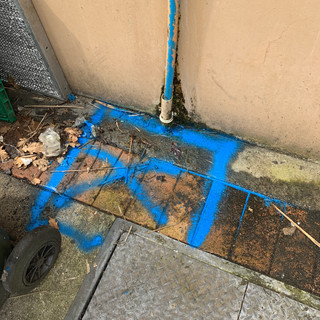
A damp patch at the base of a basement wall can look minor until paint starts lifting, carpet smells musty, or water appears after every heavy shower. Effective basement seepage repair is not about covering the visible stain. It starts by establishing exactly where the water is coming from, how it is travelling through the structure, and whether the problem is surface runoff, groundwater, a leaking pipe, or failed waterproofing.
For Auckland property owners, that distinction matters. Repairing the wrong area can mean spending money on drainage, coatings or wall linings while the real source continues to feed moisture into the building. A proper test-first approach keeps the repair targeted and avoids unnecessary excavation or demolition.
Why basement seepage is often difficult to diagnose
Water rarely appears at the point where it enters. It follows the path of least resistance through soil, concrete cracks, construction joints, service penetrations and wall cavities before showing itself indoors. A wet corner may be caused by water entering several metres away, particularly where ground levels fall towards the house or where drainage is blocked or undersized.
Basements and lower-ground rooms are also exposed to more than one type of water pressure. Surface water can collect against an exterior wall during rain. Groundwater can build up in saturated soil and push through weak points. A concealed water pipe leak can keep an area damp even in dry weather. Each cause calls for a different repair, so assumptions are expensive.
The timing of the issue provides useful clues. Moisture that worsens only during or shortly after rain often points to stormwater management, ground levels, drainage or external waterproofing. Dampness that remains constant through dry periods may indicate a plumbing leak, a damaged pipe below the slab, or trapped moisture with no way to drain.
The first step in basement seepage repair: identify the water source
Before repairs begin, inspect the pattern of the damage and test the areas around it. This is where specialist leak detection is more useful than guesswork. Moisture testing can help map how far water has travelled through walls, flooring and linings. Thermal imaging may identify temperature differences associated with damp materials, while acoustic equipment can assist with locating pressurised water leaks in concealed pipework.
Where pipework runs below concrete, tarseal, lawns or garden areas, pipe tracing and non-invasive detection can narrow down its route before anyone starts digging. This is particularly valuable for properties with finished basements, tiled floors, retaining walls or landscaped access areas where disruption quickly becomes costly.
A thorough investigation should consider the following possibilities together, not in isolation:
rainwater flowing towards the building because of paving, garden levels, gutters or downpipes;
failed or overwhelmed perimeter drainage;
cracks, joints or service penetrations in the basement wall or slab;
leaking internal, underground or external water pipework; and
water entering from an adjoining structure, retaining wall or water tank.
The aim is not simply to confirm that moisture is present. It is to identify the route water takes and the condition that allows it to enter.
Common causes of water entering Auckland basements
Surface water and poor site drainage
Auckland’s heavy rainfall can expose small drainage problems quickly. Downpipes discharging too close to the building, blocked spouting, flat paving, or garden beds built up against cladding can direct large volumes of water towards a basement wall. On sloping sites, runoff from a driveway, path or neighbouring ground may also collect at the low point beside the building.
The repair may be relatively straightforward if surface water is the only issue. Regrading ground, extending downpipe discharge, clearing drainage or improving collection points can reduce the volume reaching the wall. However, these measures will not resolve a hidden plumbing leak or a failed membrane below ground level.
Defective waterproofing and construction joints
Below-ground walls rely on waterproofing systems that must remain intact for many years in difficult conditions. Membranes can deteriorate, be damaged during backfilling, or fail at overlaps and junctions. Construction joints between wall and slab, as well as penetrations for pipes and cables, are common weak points.
Waterproofing repairs range from localised sealing to external excavation and membrane replacement. The right option depends on access, the extent of the failure, soil conditions and whether water pressure is building behind the wall. An internal coating can reduce visible moisture in some situations, but it may not be a lasting answer where water is continually pressing through from outside.
Concealed pipe leaks
Not all basement damp is rain-related. A leaking water pipe under a concrete slab, within a wall, or in nearby underground pipework can create persistent moisture that looks like seepage. Signs may include an unexplained increase in water use, the sound of water when fixtures are off, warm areas on a floor, or dampness that does not match rainfall.
This is why water leak testing should be completed before major waterproofing work is approved. Finding a leak accurately can allow a focused repair or replacement rather than lifting large areas of flooring or excavating a whole section of property.
Cracks and movement
Concrete can crack as buildings settle, materials shrink and ground conditions change. Not every crack is a structural concern, but a crack that allows water through needs attention. The repair approach depends on its location, width, movement and whether it is actively admitting water.
Injecting or sealing a crack may be appropriate for a localised defect. If the crack is part of broader movement, poor drainage or water pressure behind a retaining wall, addressing only the crack may provide short-term relief rather than a complete fix.
Choosing a repair that matches the problem
There is no single product that suits every basement. Good basement seepage repair is usually a combination of source control and targeted building repairs. If roof and surface water are loading the wall, drainage improvements should come first. If testing finds a leaking water main, repair the pipe before considering wall treatments. If an external membrane has failed, the long-term solution may require access to the outside of the wall.
Budget and access matter as well. External excavation can be the most direct way to repair waterproofing, but it may involve removing paving, landscaping or structures. In some cases, an internal repair strategy is more practical. The trade-off should be explained clearly: what the repair is designed to stop, what conditions could affect its lifespan, and whether further drainage work is recommended.
For commercial properties, the cost of disruption is often as important as the repair cost itself. Accurate diagnosis helps facilities teams stage work around tenants, vehicle access, trading hours and critical plant areas. A test that prevents unnecessary excavation can save considerable time as well as money.
What property owners can check before testing
You do not need to pull linings off walls or start digging to gather useful information. Note when the dampness appears, whether it follows rain, and whether the area is spreading. Photograph the affected wall or floor after rainfall and again during dry weather. Check that gutters and downpipes are clear, and look for obvious ponding beside the building.
If you have a water meter, avoid using water for a period and see whether the meter continues to move. This can be an indicator of a leak, although it does not locate it and should not be treated as a final diagnosis. Where water is near electrical fittings, stored goods, finished linings or structural timber, avoid delaying the investigation.
Do not rely on dehumidifiers or fresh paint as a repair. They can manage the symptom temporarily, but they do not stop water entering the structure. Likewise, avoid sealing an interior surface before checking whether water is being held against the wall from outside.
When to bring in a specialist
A specialist assessment is worthwhile when seepage is recurring, the source is unclear, or the likely repair would involve excavation, concrete cutting or removal of finished surfaces. Water Leaks Auckland uses non-invasive testing methods to locate concealed water issues before repair work is selected, helping property owners make decisions based on evidence rather than trial and error.
Early action is usually less disruptive than waiting for visible damage to worsen. If a basement stays damp after rain, develops a persistent musty smell, or shows moisture with no obvious cause, treat it as a location problem first. Once the water source and path are known, the right repair becomes much easier to choose.


Comments