
Pipe Relining Versus Replacement: Which Fits?
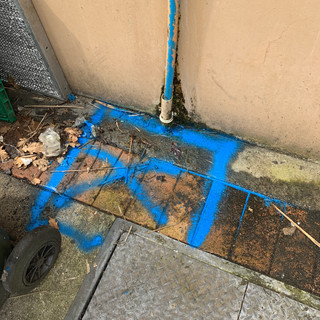
A leaking pipe beneath a concrete slab, driveway or lawn does not automatically mean extensive digging. The decision between pipe relining versus replacement starts with finding the exact fault, understanding the pipe’s condition and checking whether the surrounding ground or structure can be disturbed safely. The right answer can save significant cost and disruption, but it is never a one-size-fits-all decision.
For Auckland property owners, the practical question is not simply which option is cheaper on the day. It is which repair will properly address the problem, suit the pipework and protect the property from repeat leaks, moisture damage and unnecessary excavation.
Pipe relining versus replacement: the main difference
Pipe relining repairs a damaged pipe from within. A new liner is inserted into the existing pipe and cured to form a durable internal pipe wall. In suitable drainage and wastewater lines, this can seal cracks, minor joint defects and some areas of root intrusion without digging along the full pipe run.
Pipe replacement involves excavating to remove and renew part or all of the damaged line. Depending on the location, this may mean lifting paving, opening a driveway, digging through a lawn or accessing pipework beneath a floor or inside a wall. It is more disruptive, but it can be the most reliable option where the original pipe is badly compromised.
Both methods have a place. The best choice depends on what the investigation shows, rather than on an assumption based on the visible symptom.
Start by locating the fault properly
Unexplained water loss, a damp patch, a high water bill or a soft area of ground can point to a pipe leak, but they do not show where the pipe has failed. Digging based on guesswork can quickly add cost and leave the actual leak untouched.
Specialist leak detection can identify concealed pipework and narrow down the leak location before repairs begin. Acoustic listening equipment can help detect the sound of escaping water. Trace-wire location equipment can follow underground services where suitable wire is present. Thermal imaging and moisture testing can identify water movement behind walls, beneath floors or through building materials.
For drainage lines, a camera inspection may also be needed to assess internal condition. The aim is to establish whether there is one localised defect, repeated cracking, root damage, poor pipe alignment or a line that has reached the end of its useful life.
This diagnostic stage matters just as much for commercial sites as homes. A property manager may be dealing with a leak beneath tarseal or near busy accessways, where unnecessary excavation affects tenants and operations. A homeowner may have a leak under a recently finished driveway and need to know whether a targeted repair is possible before any concrete is cut.
When pipe relining is a sensible option
Relining is often worth considering when the existing pipe is largely intact but has defects that can be repaired internally. The major advantage is reduced excavation. Instead of exposing the full length of pipe, access may be needed only at selected entry points.
This can be particularly useful where pipework runs beneath concrete, pavers, landscaping, a driveway or a building area that would be costly to reinstate. Less digging can mean less disruption, fewer restoration works and a shorter repair programme.
Relining may suit pipes with cracks, leaking joints, small gaps or limited root intrusion, provided the line can be cleaned and prepared properly. It can also be a good solution for a difficult-to-reach section of drainage pipe where excavation would involve removing established landscaping or hard surfaces.
There are trade-offs. The liner reduces the internal diameter slightly, although this is often not a problem in an appropriately sized line. The pipe also needs enough structural integrity and a suitable route for the liner to be installed. A relined pipe should be assessed as part of the whole system, not treated as an automatic answer to every blockage or leak.
When replacement is the better long-term repair
Replacement is usually the stronger choice when a pipe has collapsed, is badly deformed, has significant displacement at joints or is affected by widespread deterioration. A liner cannot correct every physical defect. If the pipe has lost its shape, has severe grade problems or contains sections that cannot be properly accessed and prepared, renewing the line may be the only sound repair.
Older pipe materials can also influence the decision. Clay, earthenware, ageing galvanised pipe and poorly installed plastic lines may have multiple weak points rather than one isolated issue. Repairing one section internally may leave several other failures waiting further along the run.
Replacement is also appropriate when the pipe layout itself needs changing. For example, a line may need to be rerouted away from a building, upgraded to meet current use, or adjusted to improve drainage fall. In these cases, excavation allows the entire section to be installed correctly rather than working around a poor original route.
While replacement can cost more upfront because of excavation and reinstatement, it may offer better value where the damage is extensive. Replacing a failed section once can be preferable to carrying out several separate repairs over the next few years.
Cost is more than the repair method
It is tempting to compare the quoted cost of relining with the cost of digging and make the decision from that figure alone. A useful comparison includes the wider job: locating the leak, access, preparation, traffic or site management, removal of damaged pipe, disposal, reinstatement and the risk of further faults.
For a pipe under lawn, replacement may be straightforward and economical. For a line beneath a reinforced concrete slab, a wide driveway or a commercial forecourt, excavation can involve cutting, removal, repair and resurfacing costs that change the equation considerably.
The reverse can also be true. A short, accessible pipe with major damage may cost less to replace than to prepare and reline. The condition of the pipe, not just its location, should lead the decision.
A clear assessment should explain what has been found, what each option can and cannot address, and what additional work may be required. This gives property owners a realistic basis for balancing immediate budget against future maintenance risk.
Questions that should guide the decision
Before choosing a repair method, establish whether the problem is localised or spread through the line. Ask whether the pipe is structurally sound enough to accept a liner, whether there are collapses or major offsets, and whether access points are available.
It is also worth considering the property’s plans. If a driveway, landscaping or building area is due for redevelopment, replacement may make sense while the site is already open. If the goal is to protect a finished area from disturbance, relining may be the more practical option where pipe condition allows it.
For commercial properties, factor in operational impact. A repair that costs slightly more but avoids closing vehicle access, disrupting tenants or lifting large areas of pavement can be the better business decision.
A practical approach for Auckland properties
The most reliable process is straightforward: locate the pipework, confirm the source of the leak or defect, assess the pipe internally where required, then select a repair that matches the evidence. This avoids spending money on excavation before the problem is properly defined.
Water Leaks Auckland has more than 30 years of experience locating concealed water issues in underground pipework, concrete, tarseal, walls and other difficult areas. Accurate testing helps property owners move from uncertainty to a repair plan that is proportionate to the fault and the site.
If water is escaping beneath your property, acting early is usually the sensible move. A small damp area or unexplained increase in water use can become a larger repair once water undermines surfaces, affects foundations or creates ongoing moisture problems. Find the fault first, then choose the repair that gives the pipework the best chance of staying dry and dependable.


Comments