
Commercial Water Loss Investigation in Auckland
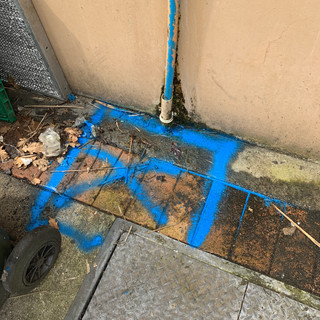
A sudden jump in water use at a commercial property rarely comes with an obvious wet patch or burst pipe. Water may be escaping beneath a concrete slab, under a car park, through buried pipework, inside a wall cavity or from a pool system. A commercial water loss investigation identifies where that water is going before a small hidden issue becomes a costly repair, tenant complaint or operational interruption.
For Auckland property managers, building owners and facilities teams, the priority is not simply proving that water is being lost. It is finding the source accurately, understanding what has been affected and choosing a repair method that limits disruption to the site.
When unexplained water use needs investigation
A high water account is often the first warning, but it is not the only one. A leaking supply line can run for weeks before surface signs appear, particularly where pipework sits beneath concrete, tarseal, landscaped areas or busy accessways. By the time dampness becomes visible, water may have travelled well away from the actual leak.
Other warning signs include a water meter that continues moving when fixtures and equipment are shut down, soft or unusually green areas of lawn, recurring moisture around walls, damp carpet, mould odour, loss of pressure, or cracks and movement around paving. In commercial buildings, unexplained water loss can also show up as repeated pump cycling, boiler make-up water issues or water collecting in a basement.
It is worth separating a genuine leak from normal site use before repair work begins. Irrigation schedules, washdown areas, cooling equipment, tenant fit-outs, pool top-ups and faulty valves can all affect consumption. The investigation needs to account for how the property operates, not just what the latest bill shows.
What a commercial water loss investigation involves
A proper investigation is a diagnostic process, not a guess followed by excavation. The method depends on the site, the age and type of pipework, the suspected water source, access restrictions and whether the system can be isolated without affecting tenants or trading.
The work generally starts with a discussion of the symptoms, water-use history and site layout. Testing can then establish whether loss is occurring on the property side of the meter and, where possible, narrow the issue to a particular line, zone or system. For a larger site, this may involve isolating sections of pipework and checking pressure behaviour over time.
Once the likely area is known, non-invasive equipment is used to locate the leak or confirm whether another cause is responsible. This is the step that prevents unnecessary digging through a driveway, floor slab or landscaped area.
Acoustic leak detection
Pressurised water escaping from a pipe creates sound and vibration. Acoustic listening equipment can pick up those signals through soil, concrete and hard surfaces, helping the technician trace a leak to a more precise location. Results can vary with pipe material, depth, background noise and the size of the leak, so acoustic testing is most effective when used alongside pressure testing and site knowledge.
A busy commercial site may need testing outside peak operating hours. Traffic, plant rooms, pumps and deliveries can all mask the sound of a small leak. Planning around those conditions improves the chance of a clear result and avoids interrupting normal operations.
Pipe tracing and service mapping
Commercial properties often have pipework installed in stages, with incomplete or outdated plans. Trace-wire pipe location technology can help identify the route of suitable underground services before excavation or repair. This is particularly useful beneath grassed areas, car parks and concrete where opening the wrong location can add cost quickly.
Knowing the pipe route also helps determine whether the loss is likely to be from the main supply, irrigation, fire service, pool line or another connection. On complex sites, mapping what can be traced provides useful information for future maintenance as well as the immediate repair.
Thermal imaging and moisture testing
Where water is suspected behind internal walls, beneath flooring or around a building envelope, thermal imaging and moisture testing can identify abnormal moisture patterns without removing linings unnecessarily. These tools do not replace a full diagnosis by themselves. A cooler area on a thermal image, for example, may be caused by insulation gaps or air movement rather than water.
Used correctly, they help target further testing and confirm the extent of moisture affected by a known leak. That matters when deciding whether repair work should include drying, lining replacement, waterproofing or investigation of an external water-entry point.
The source of loss is not always a buried pipe
A commercial water loss investigation should remain open to more than one explanation. A faulty toilet cistern in a tenanted space can waste substantial water without attracting attention. A leaking valve, failed backflow component, irrigation solenoid or damaged pool pipe can produce similar meter readings to an underground main leak.
Pools deserve particular care. Evaporation, splash-out and filter operation all affect the water level, but ongoing loss beyond normal conditions may point to a leak in the shell, fittings, skimmer, plumbing or surrounding waterproofing. Testing should isolate these possibilities rather than assuming the pool structure is at fault.
Likewise, dampness in a basement or exterior wall is not automatically a potable-water leak. Groundwater, drainage faults, failed waterproofing and stormwater issues can create very similar symptoms. The right answer depends on where the moisture is coming from. Repairing a pipe when water is entering through a wall will not solve the problem.
Why non-invasive testing saves money
Excavation has a place once the leak location is established and the repair approach is clear. Starting there, however, can be expensive and disruptive. Cutting concrete, lifting tarseal, digging through landscaping or opening walls without reliable test results may create reinstatement work that was never needed.
Non-invasive testing reduces the search area and gives decision-makers a clearer basis for approving work. It can also help when several parties are involved, such as a landlord, tenant, body corporate, insurer or contractor. A documented diagnosis makes it easier to explain why a repair is required and what alternatives are available.
There are limits. Deep pipework, heavily reinforced concrete, low-pressure leaks, multiple leaks and noisy environments can make precise location more difficult. In those cases, staged testing and selective access may still be necessary. The objective is not to promise zero disruption. It is to make every opening, excavation and repair as targeted as possible.
Choosing a repair path after the leak is found
The best repair is not always a full replacement, and the cheapest immediate repair is not always the most economical over time. A localised fault in otherwise sound pipework may suit a targeted repair. Repeated failures, ageing pipe materials or inaccessible lines may make replacement of a section the better long-term option.
Consider the condition of the system, the cost of reinstatement, future access, expected building use and the consequences of another failure. For example, repairing a small leak beneath a low-use lawn is very different from repairing one beneath a loading bay that cannot be closed during business hours.
Water Leaks Auckland uses specialist testing methods to locate concealed water issues before recommending repair or replacement options suited to the property and budget. The aim is to give you enough certainty to act, rather than asking you to approve broad exploratory work.
Preparing your site for testing
Useful information can speed up the investigation. Keep recent water accounts, site plans, previous plumbing records and details of any recent building work available. If possible, note when the water use changed, whether pressure has dropped, and which areas are damp or affected.
Access arrangements matter as well. Plant rooms, risers, tenant spaces, meter boxes and pool equipment may all need to be inspected. Let occupants know that water may need to be isolated briefly for testing, especially where the property has several tenancies or critical operations.
A hidden water leak does not become easier to manage with time. Early, targeted testing gives you the practical information needed to protect the property, control water costs and arrange repairs with far less guesswork.


Comments