
Finding Leaks Under Tarseal Without Digging
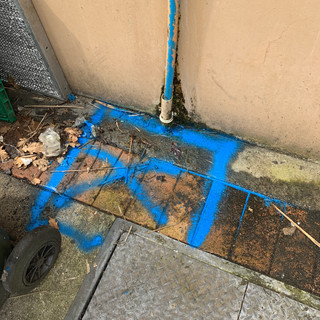
A damp patch that keeps returning on a driveway is rarely just a surface problem. When water is escaping beneath asphalt, it can travel along the base course, emerge metres from the actual break, and slowly undermine the tarseal above it. Finding leaks under tarseal accurately means testing the pipe and ground conditions first, rather than digging where the water happens to appear.
For Auckland homes, commercial sites and shared driveways, this approach can avoid unnecessary damage to paved accessways, car parks and landscaping. It also gives you a clearer basis for deciding whether a small repair, pipe replacement or further investigation is the sensible next step.
Why a Leak Under Tarseal Is Hard to Pinpoint
Tarseal hides the pipework and prevents water from rising directly through the surface in many cases. Instead, water follows the easiest path through the soil or compacted aggregate beneath it. It may show up at a driveway edge, around a drain, in an adjoining garden bed or near a low point in the pavement.
That is why a wet area is a useful clue, not proof of the leak location. Excavating at the visible patch can miss the damaged pipe entirely. It can also turn a relatively contained repair into a larger reinstatement job involving more tarseal, base preparation and traffic disruption.
The pipe material, depth, water pressure and ground conditions all affect how easily a leak can be found. A pressurised water pipe often produces a detectable sound. A small leak on a deep pipe in loose, wet ground may be much quieter. Drainage and stormwater leaks require a different testing approach because they are not continuously pressurised.
Signs That Warrant Leak Testing
A sudden increase in metered water use is one of the clearest signs of a hidden water leak. If all taps, appliances and irrigation are off but the water meter continues to move, water may be escaping somewhere within the property boundary.
The driveway itself can offer warning signs. Look for a consistently damp area in dry weather, softening at the edge of tarseal, cracking that develops without obvious vehicle damage, bubbling or lifting, and patches that take longer to dry after rain. In more advanced cases, the ground beneath the surface can wash away and create a hollow or unstable section.
On commercial properties, signs can be less obvious because water consumption varies through the day. Facilities teams may notice unexplained usage, repeated pressure loss, dampness near a service route, or a section of car park that deteriorates faster than surrounding areas. These are good reasons to arrange testing before a surface failure creates a safety or access issue.
Not every damp driveway indicates a leaking water pipe. Run-off, a blocked drain, a damaged stormwater line, an irrigation fault or water entering from a neighbouring area can produce similar symptoms. Proper diagnosis is about separating these possibilities before repair work starts.
How Finding Leaks Under Tarseal Works
A specialist investigation starts with the available information: the water meter behaviour, the age and layout of the property, visible signs, known pipe routes and recent changes such as new paving or landscaping. The aim is to identify what type of pipe is likely involved and narrow the search area before using detection equipment.
Meter and pressure checks
For suspected water supply leaks, meter testing can confirm whether water is being lost when the property is not using it. Pressure testing may help establish whether a section of pipe is holding pressure as it should. These checks do not identify the exact point by themselves, but they help confirm that a concealed supply leak is likely.
Where there are separate irrigation, pool or building supply lines, isolating sections can be particularly useful. It reduces guesswork and prevents an underground leak from being confused with a faulty valve, toilet cistern or appliance inside the building.
Pipe tracing before excavation
Knowing where a pipe runs is as valuable as knowing that it leaks. Trace-wire pipe location equipment can locate compatible underground services by following a signal along the line. This helps map the route beneath tarseal and identify likely bends, junctions or service connections.
On older sites, records may be incomplete or the pipe route may have changed during past renovations. Pipe tracing provides a practical on-site picture, helping technicians focus testing where it matters and helping repair contractors avoid other underground services.
Acoustic leak detection
Pressurised water escaping through a crack or split creates vibration and sound. Acoustic listening equipment is used at accessible fittings, valves, meters and along the suspected pipe route to listen for the characteristic noise of a leak.
The method is non-invasive and can be very effective, but conditions matter. Traffic, wind, rain, pumps and nearby machinery can interfere with sound. Very low-pressure leaks, plastic pipework and deep services can also be more difficult to hear. An experienced technician will interpret the results alongside meter data, pipe tracing and site conditions rather than relying on one sound reading alone.
Moisture and thermal testing
Moisture testing can identify whether an area contains abnormal levels of moisture and how far it has spread. Thermal imaging may assist where temperature differences reveal dampness beneath or beside a surface, particularly around building edges and internal areas connected to the suspected leak.
These methods are useful supporting tools. They show the effect of water, but do not always distinguish the exact source without other testing. Used together, they can help build a reliable case for a targeted repair location.
Testing drainage and stormwater lines
A leak beneath tarseal is not always a potable water issue. Drainage or stormwater pipe defects can allow water into the ground during use or rainfall, causing voids and surface damage over time. Depending on the line and access available, testing may involve checking flow behaviour, inspecting accessible points, isolating sections or using other diagnostic methods suited to non-pressurised pipes.
The key difference is timing. A water supply leak may run continuously, while a drainage fault may only show itself when fixtures are used. A stormwater issue may be most apparent after heavy rain. Reporting what you have observed, including when the area becomes wet, helps direct the investigation.
Why Random Digging Costs More Than Testing
It can be tempting to remove tarseal where the ground looks wet or where cracking is most obvious. Sometimes that works, particularly when the pipe route and fault are already certain. More often, it is an expensive gamble.
Driveway excavation involves more than opening the surface. The area may need saw cutting, removal of asphalt and contaminated base material, safe management of services, pipe repair, backfilling, compaction and tarseal reinstatement. If the hole is in the wrong place, those costs increase without solving the problem.
Testing first is not a promise that no excavation will be required. A pipe still needs to be exposed to repair or replace it. The value lies in limiting excavation to the most likely location and giving you evidence on whether repair is worthwhile. If the pipework is old, badly corroded or has multiple failures, replacement of a section or a new route may offer better value than repeated repairs.
What to Do While You Arrange Testing
If you suspect a significant water leak, take a meter reading, avoid unnecessary water use and photograph any visible changes in the tarseal. If a section feels soft, sunken or unstable, keep vehicles and pedestrians off it where practical. Water escaping beneath pavement can weaken the base quickly.
Do not attempt to drill or cut the tarseal to investigate. Underground electrical cables, communications services and other pipes may be present, and a small opening rarely reveals where the water is coming from. If the leak is close to a building, power supply or public footpath, treat it as more urgent and arrange professional advice promptly.
For commercial properties, record operating conditions at the time the issue is noticed. Details such as water use, rainfall, irrigation schedules and affected areas can help reduce testing time. It is also sensible to consider access requirements, customer safety and whether testing should occur outside busy periods.
Getting a Clear Repair Plan
The best outcome is not simply hearing that there is a leak. It is knowing what has been found, the likely location, the confidence level of the result and the practical repair options. A useful diagnosis should distinguish between a single localised fault and a broader pipe condition problem.
With more than 30 years of experience locating concealed leaks, Water Leaks Auckland uses non-invasive testing to narrow down faults before disruptive work is considered. Once the source is understood, the repair can be matched to the condition of the pipe, the access available and the budget for the property.
A wet patch under tarseal may look minor now, but it can become a damaged driveway, higher water bills or a larger ground failure if left unchecked. Early testing gives you the information to act with confidence, and keeps the repair focused on the pipe problem rather than the visible symptom.


Comments