
Property Leak Warning Signs Auckland Owners See
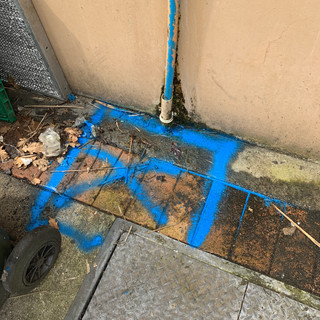
A water meter that keeps turning when every tap is off is not a mystery to put off until next month. It is one of the clearest property leak warning signs, particularly when paired with a higher water bill, a damp patch, or the sound of water where there should be silence. The challenge is that the visible symptom is rarely the leak itself. Water can travel beneath concrete, along pipe trenches, through wall cavities, or under flooring before it shows up.
For Auckland property owners, finding the source early can prevent a manageable repair becoming damaged finishes, wasted water, mould growth, or disruption to tenants and business operations. The right next step depends on the pattern of the problem, not guesswork or unnecessary digging.
Property leak warning signs worth acting on
A concealed leak does not always announce itself with a burst pipe or flooding. More often, it creates small changes that become more obvious over time. A sudden increase in water use without a change in household, irrigation, or business activity deserves attention. So does a meter that records flow after the internal stop valve has been turned off, as this can indicate a leak on the property supply line.
Look closely at the ground and hard surfaces around the property. A persistently wet or unusually green area of lawn during dry weather can indicate water escaping from underground pipework. Soft ground, water pooling near a driveway, damp edges around concrete, or unexplained movement in paving may point to the same issue. With a leak beneath tarseal or a slab, there may be no obvious wet patch at all. The water may follow a different route before surfacing.
Inside, the warning signs can be subtler. Peeling paint, swollen skirting boards, a musty smell, staining on a ceiling, bubbling plaster, or a wall that feels cooler or damp in one area can all indicate moisture where it should not be. These symptoms are not proof of a plumbing leak on their own. Condensation, roof leaks, failed exterior cladding, and drainage issues can produce similar damage. Testing matters because the repair depends on identifying the actual source.
The sound of running water is another useful clue. If you hear a hiss, trickle, or rushing sound in a wall, floor, or near a meter when fixtures are not in use, record when it occurs and whether it changes when the water supply is isolated. That information can help narrow the investigation, but it is not a reason to start cutting into walls or lifting concrete.
What the pattern of moisture may be telling you
Underground water supply leaks
A leak between the water meter and the building is commonly hidden beneath lawns, gardens, driveways, paths, or concrete. Water bills may rise gradually or jump sharply, depending on the size of the break and the water pressure. Some owners first notice a wet strip on the lawn; others notice no surface evidence at all.
There is a practical distinction between a leak on the property side of the meter and a fault elsewhere in the network. A meter test and isolation test can help establish whether water is being lost within the property boundary. If it is, the pipe route needs to be identified before repair work begins. This is particularly valuable where pipes run under a driveway, established landscaping, or a concrete slab.
Internal pipework and building moisture
Leaks in walls, ceilings, and floors can be intermittent. A pinhole leak in a pressurised water line may release moisture continuously, while a shower, balcony, or bathroom leak may only appear when that area is used. A stain directly below a bathroom does not necessarily mean the problem sits immediately above it. Water can track along framing, pipes, and linings before reaching a visible surface.
Pay attention to timing. If a damp patch worsens after showers, washing machine cycles, rain, or use of a particular tap, make a note of it. If the patch remains unchanged through dry weather but the water meter continues to move, a pressure pipe is more likely than external water entry. These are working clues, not final diagnoses.
Swimming pool water loss
Pool owners often assume evaporation is responsible for falling water levels. Some evaporation is normal, especially during warm or windy conditions, but a pool that needs frequent topping up may have a leak in the shell, plumbing, fittings, skimmer, or surrounding pipework.
The location of the water level can help. If it stops dropping at a particular height, it may correspond with a fitting or structural feature. If the level falls faster while the pump is running, the issue may be associated with circulation pipework. If it falls at the same rate with equipment on or off, the pool structure or fittings may need closer investigation. A proper pool leak test avoids replacing parts based on assumption.
Simple checks before arranging testing
You do not need to become a leak detective, but a few safe observations can make the process faster. First, check whether visible taps, toilets, irrigation, appliances, and pool equipment are operating as expected. A toilet cistern that quietly keeps refilling can waste significant water and is a simpler fault than an underground leak.
Then, where it is safe to do so, take a meter reading when no water should be used for a period. Avoid running dishwashers, washing machines, irrigation, or filling tanks during the test. If the meter changes, photograph the reading and note the time. For commercial sites, arrange the check during a quiet period when authorised water use can be controlled.
Do not rely on a meter test alone. It confirms that water may be moving, but it does not identify where it is going. Avoid excavating based only on the wettest patch or the assumed shortest route between the meter and building. Pipe routes can be different from what owners expect, and water often emerges away from the point of failure.
How non-invasive leak detection reduces disruption
The purpose of specialist testing is to locate the issue with as little damage as possible. The method used depends on the material, depth, access, pipe type, and the symptom being investigated.
Acoustic listening equipment can detect the sound created by water escaping under pressure, including through concrete or underground surfaces. Trace-wire pipe location equipment can help map the route of certain services before targeted excavation. Thermal imaging and moisture testing can identify unusual temperature patterns and moisture behind wall linings or beneath finishes. For pools and waterproofed structures, testing focuses on separating plumbing leaks from failures in the shell, fittings, or waterproofing system.
No method is a magic answer in every situation. Deep pipework, high background noise, multiple services, saturated ground, or inaccessible areas can affect testing. A capable technician combines equipment results with meter readings, visual evidence, pressure testing, pipe routes, and the building’s layout. That is how a likely location becomes a repair plan rather than a costly trial-and-error exercise.
When the problem needs prompt attention
Act quickly if water is entering electrical areas, ceilings are sagging, the ground is subsiding, water is flowing onto neighbouring property, or a leak is affecting a commercial operation. Isolate the water supply if it is safe and appropriate, then arrange assistance. For a significant internal leak, protect belongings and avoid using affected electrical fittings until they have been assessed.
Less dramatic signs still deserve timely action. A recurring damp smell, unexplained bill increase, or patch of moisture that never fully dries can worsen quietly. This is especially true for rental and commercial properties, where a concealed leak can affect occupants, maintenance obligations, and operating costs before the source is known.
With more than 30 years of practical experience, Water Leaks Auckland uses targeted testing to find concealed water issues before unnecessary excavation or demolition begins. Once the source and likely repair scope are clearer, owners can make a decision that suits the property, urgency, and budget.
If something on your property has changed and it does not make sense, trust the pattern rather than waiting for a bigger symptom. Early testing gives you facts to work from, and facts are far cheaper to act on than widespread water damage.


Comments