
Warehouse Pressure Loss: Find the Cause Fast
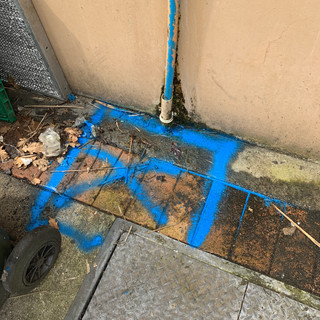
A warehouse can appear to be running normally while a water issue develops below the slab, behind a wall or across an external service line. Warehouse pressure loss is often first noticed when staff report weak flow, washdown equipment performs poorly, a water meter keeps moving overnight, or water charges rise without an obvious reason. The practical question is not simply whether pressure has dropped. It is where the loss is occurring, why it is happening, and how to confirm the cause without disrupting a busy site unnecessarily.
For warehouse owners, facilities managers and tenants, a fast diagnosis protects more than the water bill. It can help prevent moisture damage, unsafe slippery areas, interruption to operations and expensive excavation in the wrong place.
What warehouse pressure loss can mean
Pressure loss describes a reduction in the force that moves water through a pipe system. In a warehouse, it may affect one tap, a washroom block, a hose reel, a staff kitchen, a fire service connection or the entire site. The pattern matters because it helps narrow down whether the problem is related to supply, pipe condition, a valve, equipment demand or a concealed leak.
A gradual drop in pressure that is present throughout the building can point to a supply-side restriction, a failing pressure control device or a leak on a main line. Pressure that falls only when a particular appliance or washdown line is used may be caused by demand exceeding the available flow, pipe restrictions or a local fault. If pressure is low in one part of the warehouse but normal elsewhere, the issue is more likely to be downstream of a branch line, valve or internal pipe run.
Pressure and flow are related but not identical. A gauge may show reasonable static pressure when no water is being used, then drop sharply once a hose, tap or process equipment is turned on. That result can indicate a restricted pipe, faulty valve or undersized supply. If pressure drops while all outlets are closed, a leak becomes a stronger possibility.
The common causes on warehouse sites
Large commercial properties often have extensive pipework. Lines may run beneath concrete yards, loading areas, car parks, landscaped strips and warehouse floors. Older sites can also have undocumented alterations, redundant pipework and valves that are difficult to access. A fault does not need to create a visible puddle to cause a significant loss.
Concealed water leaks
A leak beneath a concrete slab or driveway can release water into the ground for weeks before surface signs appear. Depending on soil conditions and the path of least resistance, water may emerge a long way from the damaged pipe, appear as persistent dampness near a wall, or remain completely hidden.
Leaks can result from corrosion, failed joints, ground movement, poor previous repairs, vibration, accidental damage during works or ageing plastic and metal pipework. Small leaks are not harmless simply because they are quiet. They can grow, waste substantial water and contribute to moisture issues around foundations or internal finishes.
Restrictions, failed valves and pressure controls
Not every pressure problem is a leak. Partly closed isolation valves, malfunctioning pressure reducing valves, blocked strainers and deteriorated pipework can restrict water movement. Sediment and scale can be relevant in older systems, particularly where pipe diameters have narrowed over time.
These faults need a different repair approach. Excavating to find a leak will not solve a failed pressure valve, and replacing a valve will not stop water escaping from an underground line. Testing first avoids repairs based on assumption.
High demand and system changes
A warehouse may outgrow its original water setup. Additional amenities, washdown points, tenant fit-outs, irrigation, equipment or process requirements can increase demand beyond what the existing pipework comfortably supplies. Pressure may seem acceptable at quiet times but become inadequate during peak use.
This is why the timing of the problem is useful information. A loss that began immediately after new equipment was installed may be linked to demand or alterations. A loss that steadily worsens with no operational changes deserves closer investigation for leakage, deterioration or restrictions.
External supply and shared services
Some warehouse complexes have shared mains, separate meters, backflow devices or common service arrangements. A pressure issue may sit within the property boundary, but it can also relate to the incoming supply or a building-wide configuration. Establishing where responsibility starts and ends is part of a sensible investigation.
For sites with fire services, drinking-water systems and other specialised infrastructure, avoid making unplanned changes to valves or connections. Isolating the wrong line can create operational and compliance issues. A controlled test plan is safer than trial and error.
Signs that warrant prompt testing
A sudden and major pressure change should be investigated quickly, particularly if there is visible water, ponding around the site, damp internal walls or a rapidly increasing meter reading. Even without those obvious signs, several quieter warning signs can justify a professional assessment.
These include unexplained increases in water use, a water meter that moves when the premises are closed and all known water use is isolated, recurring wet patches, cracking or lifting in hard surfaces, mouldy odours, and pressure that drops during normal use. Staff may also notice a pump cycling more frequently than usual or hose points that no longer perform as expected.
It is worth recording when and where the issue occurs before testing begins. Note whether it affects the entire property, only one area, or only certain times of day. Identify recent building works, machinery installations and changes in water use. This information helps technicians focus their testing and can reduce time spent checking unaffected sections of the system.
How a non-invasive investigation works
Finding the source of warehouse pressure loss should begin with measured testing rather than excavation. The exact process depends on the site layout, the type of pipework and whether the concern is a suspected leak, restricted flow or a combination of faults.
The first stage usually involves checking the reported symptoms, understanding the site’s water layout and carrying out meter or pressure observations. Controlled isolation can help determine whether the loss is on a particular branch, within the building or on an external line. Where pipe routes are uncertain, trace-wire pipe location technology can be used to identify their path before ground works are considered.
If a concealed leak is suspected, acoustic listening equipment can detect the sound created by water escaping from pressurised pipework. This is particularly useful for underground lines beneath concrete, tarseal and grassed areas. Conditions such as pipe material, depth, background noise and the size of the leak affect what can be heard, so the method is selected and interpreted by an experienced technician rather than treated as a simple scan.
Thermal imaging and moisture testing can assist where water may be affecting walls, floors or other building materials. These methods do not replace pressure testing or acoustic detection, but they can show areas of abnormal moisture or temperature variation that need further assessment. Together, the results build a clearer picture of both the fault and its impact.
Water Leaks Auckland uses these non-invasive methods to locate water issues before recommending unnecessary cutting, demolition or excavation. Once the likely source and location are established, the next step can be planned around access, operational needs and budget.
Why location accuracy saves money
On a warehouse site, the cost of a leak is not limited to lost water. Digging through a loading area can affect vehicle access. Opening a slab may disrupt storage, dispatch schedules or tenancy operations. Damaging the wrong section of a hardstand creates a second repair that never needed to happen.
Accurate location also supports better repair decisions. A short, accessible section of damaged pipe may be suitable for a targeted repair. If testing shows widespread deterioration, repeated joint failures or poorly routed pipework, replacing or rerouting a section may offer better value over time. There is no single answer for every building, which is why a diagnosis should come before a repair quote.
For landlords and property managers, documented findings can also help communicate the issue clearly to tenants, contractors and owners. Instead of reporting a vague pressure problem, you can make decisions based on the affected line, probable cause and practical repair options.
What to do while the cause is being confirmed
If water is visibly escaping, isolate the affected line where it is safe and clearly identified. Do not shut off services that support fire protection or critical operations without an approved plan. Where the leak is not visible, avoid repeated changes to valves and pressure settings, as this can complicate the investigation and potentially worsen the problem.
Keep access clear around meter boxes, plant rooms, suspected damp areas and external service routes. If possible, advise the testing team about underground services, recent excavations, site inductions, forklift routes and any areas that cannot be taken out of service. These details allow testing to be planned with less disruption.
Pressure problems rarely improve by waiting for a visible break. A targeted assessment can establish whether the issue is a hidden leak, a restriction, a supply problem or a system capacity concern, giving you a clear path to a repair that suits the site rather than a costly guess.


Comments