
Who Owns Pipework on an Auckland Property?
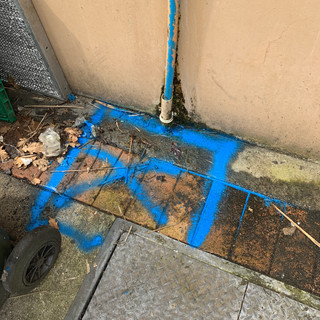
A leak beneath a driveway, lawn or concrete slab creates one immediate question: who owns pipework, and who is responsible for putting it right? For Auckland property owners, the answer is not always as simple as “everything inside the boundary is mine”. Pipe routes, connection points, shared services and property titles can all affect responsibility.
The practical issue is that a hidden leak does not wait for an ownership question to be resolved. It can increase water charges, undermine hard surfaces, create dampness in buildings and waste a substantial amount of water. Establishing where the leak is, then confirming which part of the network it sits on, gives you the information needed to take the right next step.
Who owns pipework in Auckland?
In broad terms, the public water network is the responsibility of the relevant network provider, while pipework serving a private property is usually the owner’s responsibility. The dividing line is commonly around the point where the public supply connects to the private service, but the precise arrangement can vary.
For a standard standalone home, the pipe from the water meter or point of supply through to the house, garden taps, outbuildings and pool is generally private pipework. That means the homeowner is usually responsible for repairs, replacement and the cost of water lost through a leak on that section.
However, do not rely on assumptions based only on where a pipe appears to run. A pipe may cross a neighbouring property, sit within an easement, serve more than one dwelling, or be part of a body corporate arrangement. Older Auckland properties can have particularly confusing layouts, especially where homes have been subdivided or additional dwellings have been built over time.
The best starting point is to identify the service route and the leak location. Once those are known, ownership can be checked against the property records, service information and any shared-service agreements.
The point of supply is not always obvious
Many people assume the water meter marks a clear dividing line. It is an important reference point, but it does not answer every question by itself. Meters may be located near the front boundary, in a shared accessway, or in a position that does not reflect the route taken by the private pipe.
As a rule, pipework downstream of your meter that exclusively serves your property is likely to be your responsibility. A leak before the meter, or on a public main, is more likely to be a network issue. But exceptions exist, and responsibility may depend on the specific service connection.
If your water meter continues moving when all taps, appliances and irrigation are off, that is a strong indication of a leak on the private side of the meter. It does not identify the exact location, though. Water can travel through soil or beneath slabs before becoming visible, so the wet patch is often some distance from the failed pipe.
For that reason, digging where the ground looks damp is rarely a sensible first move. It can damage other services, disturb landscaping and still miss the leak entirely.
Private pipework property owners commonly maintain
Private water pipes can extend much further than expected. They may run under lawns, driveways, paths, garages, concrete floors, retaining areas and internal walls. They can also feed granny flats, sleepouts, irrigation systems, outdoor taps and swimming pools.
A property owner will commonly be responsible for leaks in pipework that supplies their building after the network connection. This may include an ageing galvanised or polyethylene service line, internal plumbing lines, pool plumbing and pipes beneath a slab.
Private responsibility also generally applies where pipework has been installed to serve an addition or separate structure. For example, a pipe installed from the house to a new garden studio is not part of the public network, even if the leak appears close to the boundary.
The cost of repair depends on access, pipe material, depth and the extent of deterioration. A single pinhole leak may be repaired locally. Where old pipe has failed in several places, replacement can be a better long-term option. The right solution should be based on the condition of the line rather than simply the first visible symptom.
Shared pipework needs extra care
Shared services are where the question of who owns pipework becomes more complicated. One supply line may serve two or more homes, units or commercial tenancies before branching off to individual buildings. In those cases, responsibility may be shared between owners or set out in a cross-lease, easement, lease, body corporate rules or other property documents.
A leak in a common section of pipe can affect more than one party. One owner may notice low pressure while another receives the high water bill. Before repair work begins, it helps to establish whether the leaking line is common pipework or a private branch.
For commercial sites, the issue can be more layered again. A landlord may be responsible for base-building services, while a tenant maintains pipework added for its own operation. Facilities managers should check lease obligations alongside the physical pipe layout, especially before authorising excavation or disruptive repairs.
Where responsibility is unclear, accurate pipe tracing is valuable. It can show where a line runs, where it branches and which area or building it serves. That turns an uncertain discussion into one based on evidence.
How to confirm ownership before repairs
Start with the water meter and a basic isolation test. Turn off all known water use, including toilets that may be continuously running, irrigation systems, pool top-up devices and appliances. If the meter still registers flow, take a photo of the reading and arrange further investigation.
Next, consider the likely route of the supply line. Older plans may help, but they are not always reliable after renovations, landscaping or previous repairs. Visible taps and pipe entry points can provide clues, but concealed pipework requires specialist testing to locate properly.
A non-invasive leak detection inspection can identify underground or concealed leaks using acoustic listening equipment, trace-wire pipe location, thermal imaging and moisture testing. The method used depends on the material of the pipe, the ground conditions and whether the issue is inside, outside or beneath a hard surface.
The aim is not simply to confirm that water is being lost. It is to locate the suspected failure and map the pipe route accurately enough to avoid unnecessary excavation. This is especially useful beneath concrete, tarseal, tiled areas and established gardens, where exploratory digging can become expensive quickly.
Once the pipe and leak position are known, check the property title, any easements and documents relating to shared access or cross-lease arrangements. If the leak appears to be on network-owned infrastructure, contact the network provider with the location details. If it is private, you can move forward with a targeted repair or replacement plan.
Signs the leak may be on your private side
A high bill is often the first warning, but it is not the only one. Low water pressure, a meter that moves when no water is being used, persistent damp ground, warm patches on a floor, unexplained mould or a sound of running water can all point to a concealed leak.
On commercial properties, signs may include unexplained consumption spikes, soft ground around service routes, recurring moisture in a plant room or disruption to water pressure during quiet operating periods. Pool owners may notice the water level dropping faster than normal, despite evaporation being allowed for.
Not every moisture issue is a leaking water pipe. Rainwater entry, drainage failures, waterproofing defects and condensation can produce similar symptoms. Proper testing matters because the repair is different in each case. Replacing a water line will not solve a basement waterproofing failure, and sealing a wall will not stop a pressurised pipe leak beneath it.
Why accurate location saves money
The temptation with a concealed leak is to call for digging immediately. That can work when the leak location is obvious, but it is a costly gamble when it is not. Concrete cutting, driveway reinstatement, landscaping repairs and internal demolition can easily exceed the cost of finding the leak first.
A targeted diagnosis also helps when you need to discuss responsibility with a neighbour, property manager, insurer or network provider. A reportable location, pipe route and clear test findings give everyone a practical basis for deciding what happens next.
Water Leaks Auckland uses non-invasive testing to locate difficult leaks and trace concealed pipes before repair work is planned. With more than 30 years of industry experience, the focus is on finding the actual problem and recommending a repair or replacement option that suits the site and budget.
If you are unsure who owns a leaking pipe, do not wait for the damp patch to grow or the next bill to arrive. Locate the line first, confirm the ownership position from the evidence, and then repair the right section with confidence.


Comments