
Commercial Leak Guide for Auckland Properties
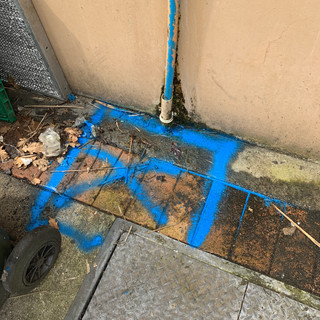
A sudden jump in a water account is rarely the first cost of a hidden commercial leak. By the time water shows up through a concrete floor, softens a landscaped area or creates dampness inside a tenancy, a small pipe fault may already have wasted thousands of litres. This commercial leak guide explains how Auckland property managers, owners and facilities teams can respond quickly without guessing where to dig.
Why commercial leaks need a different response
Commercial sites often have long and complicated water runs. Pipework may pass beneath car parks, concrete slabs, landscaped grounds, accessways and occupied buildings before reaching amenities, plant rooms, irrigation points or separate tenancies. Older sites may also have undocumented changes from previous alterations.
That makes a visible wet patch a poor indicator of the actual leak location. Water follows the easiest path through soil, fill, service trenches and building materials. The surface evidence can be several metres from the damaged pipe, particularly beneath concrete or tarseal.
There is also more at stake than the water bill. A leak can interrupt tenants, create slip hazards, undermine paving, affect foundations or contribute to ongoing moisture issues. For a body corporate, landlord or business owner, unnecessary excavation creates a second problem: disruption, reinstatement costs and uncertainty over who is responsible for the repair.
The sensible first step is to establish whether water is escaping, then accurately locate the source before repair work starts.
Signs of a concealed leak on a commercial property
Some leaks are obvious, such as water running from an external pipe or a failed fixture. The difficult cases are slow, concealed losses. They often show up through patterns rather than one dramatic event.
Watch for unexplained consumption increases, a water meter that continues moving when known use is isolated, damp or unusually green areas of lawn, recurring ponding, cracking or movement in paving, and stains or moisture inside walls. A drop in water pressure, pump cycling that seems excessive, or a pool that needs more topping up than expected can also point to a leak.
On multi-tenancy properties, compare readings and operating hours before assuming the issue is underground. Cleaning, irrigation, cooling equipment, toilets, water-fed machinery and after-hours use can all influence consumption. The key is to separate normal demand from continuous, unexplained flow.
Start with a controlled meter check
A meter check provides useful evidence, but it must be done carefully. Record the meter reading, turn off known water use where practical, and allow enough time to observe whether the meter continues to register flow. If the site cannot fully shut down, test during a quieter period and document what equipment remains operating.
This does not identify the leak point. It does, however, help confirm whether the issue is likely to be within the property boundary and whether urgent investigation is warranted. Where a meter is still moving during a controlled isolation, avoid leaving the problem for the next maintenance cycle.
Commercial leak guide: choosing the right testing method
Good leak detection is not one tool used on every job. The method depends on the pipe material, access, depth, ground conditions, background noise and whether the suspected leak is in a water line, inside a wall, under a slab or associated with a swimming pool.
Acoustic listening equipment is often used to detect the sound of pressurised water escaping from pipework. A trained technician listens at access points and across the likely pipe route to narrow down the source. This can be highly effective for pressure leaks, although traffic, machinery and busy building operations may mean testing is best scheduled at a quieter time.
Trace-wire pipe location equipment helps establish where underground services run, particularly where records are incomplete or markings are unreliable. Locating the pipe route first prevents broad exploratory digging and helps other contractors plan works safely.
Thermal imaging and moisture testing are useful where water may be affecting internal walls, floors or building materials. These tests can identify unusual moisture patterns and guide further investigation. They do not replace physical leak testing, but they help distinguish an active plumbing issue from condensation, surface water entry or an old moisture event.
For pools, testing may involve separating the shell, plumbing and fittings as potential sources of water loss. Evaporation, splash-out and seasonal conditions need to be allowed for before a pool leak is confirmed. A practical test plan avoids repairing the wrong component.
The value of non-invasive testing is simple: it provides a defensible location for the repair team. It does not mean excavation is never needed. It means excavation can be limited to the area where it is most likely to solve the problem.
What to do while the leak is being investigated
Protect people and the property first. If water is reaching electrical equipment, creating a slippery accessway, entering a tenancy or causing visible ground movement, isolate the affected area and arrange urgent assessment. If practical, shut off the relevant supply to reduce further loss. Do not isolate fire services or critical business systems without following the site’s approved procedures.
Keep a short record of meter readings, water bills, photos of affected areas and the timing of any changes. This gives the technician a clearer starting point and can be useful when explaining the issue to owners, tenants or insurers.
Avoid the common shortcut of digging at the first wet spot. On a commercial site, one unnecessary trench can mean damaged landscaping, traffic management, concrete reinstatement and tenant disruption. A targeted investigation usually costs less than repeated trial-and-error repairs.
From confirmed fault to practical repair
Once the leak location is identified, the repair decision depends on the condition and layout of the pipework. A single localised fault in otherwise sound pipe may suit a targeted repair. If testing or repair works reveal ageing, brittle or repeatedly failing lines, replacement of a section - or a complete run - may be better value over time.
This is where property owners should look beyond the immediate dig cost. Consider access, likely reinstatement, future reliability, tenant operating hours and whether the affected line serves a critical part of the site. Replacing a troublesome section during planned access may avoid a more disruptive failure later.
Ask for the fault location to be clearly explained, along with the repair options and any limitations. A useful diagnostic report should make it easier to brief a plumber, civil contractor, insurer or asset manager without repeating the entire investigation.
Water Leaks Auckland uses specialist detection and testing methods to locate concealed leaks before unnecessary excavation or demolition is considered. With more than 30 years of industry experience, the focus is on identifying the actual issue and recommending repair or replacement options that suit the property and budget.
Preventing the next hidden water loss
Commercial leak prevention is largely about knowing your site. Keep pipe plans and records from repairs, upgrades and tenant fit-outs in one accessible place. Mark isolation valves, make sure they can be reached, and periodically check that they operate as intended.
For larger or higher-use sites, routine meter monitoring can reveal changes before they become visible damage. Compare like-for-like periods where possible, allowing for occupancy, seasonal irrigation and changes in business activity. A single high reading may have an explanation. A consistent upward trend deserves investigation.
It also helps to act early on smaller warning signs. A damp patch near a driveway, a recurring area of soft ground or unexplained internal moisture may not close a business today, but it is easier and cheaper to investigate before it develops into subsidence, damaged finishes or a tenant complaint.
A concealed leak does not need to turn into a major site disruption. Confirm the water loss, locate the pipework and fault accurately, then repair only what needs repair. That approach protects the property, the people using it and the maintenance budget that has to carry the result.


Comments