
Wall Moisture Damage and How to Find Its Cause
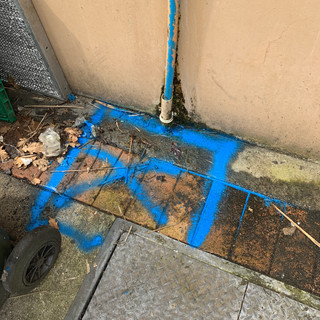
A patch of peeling paint, a musty cupboard or a stain that keeps returning after rain is rarely just cosmetic. Wall moisture damage can indicate a concealed plumbing leak, water entering through an exterior wall, failed waterproofing or condensation building up where it should not. Finding the actual source early helps avoid unnecessary wall removal, repeat repairs and a much larger remediation bill.
For Auckland property owners, the challenge is that water does not always appear where it enters. It can travel along framing, pipework, insulation, masonry or plasterboard before showing itself on an internal wall. The visible mark is a useful clue, but it is not reliable proof of the leak location.
Common signs of wall moisture damage
Some moisture issues arrive suddenly, such as a burst pipe inside a wall. Others develop slowly and only become obvious once paint begins to bubble or timber starts to deteriorate. Keep an eye out for staining, peeling or blistering paint, swollen skirting boards, soft plasterboard, mould growth, a persistent damp smell or a wall that feels unusually cold or damp to touch.
Higher-than-usual water use can be another warning sign. If the water meter continues to move when all taps and water-using appliances are off, a hidden pipe leak should be considered. This does not automatically mean the leak is in a wall, but it gives a technician a strong reason to investigate the property’s pipework.
In commercial buildings, the first signs can be more subtle. A facilities team may notice recurring ceiling or wall repairs, mould complaints from tenants, damp storage areas, damaged finishes or an unexplained increase in water charges. Delaying investigation can disrupt occupied spaces and allow moisture to affect more of the building fabric.
Why the damp patch is not always the source
Water takes the easiest available path. A leak in a pipe may run along a stud or a concrete surface before soaking into lining materials several metres away. Rainwater can enter through a crack, failed flashing, an unsealed penetration or deteriorated cladding detail, then appear on the inside of a wall well below the entry point.
This is why simply repainting, resealing a visible crack or replacing a section of plasterboard may not solve the problem. The moisture can return because the source was never identified. It can also lead to unnecessary repair work if a builder opens the wrong part of the wall based on the location of a stain alone.
A proper diagnosis separates three common causes: a plumbing leak, external water ingress and internal condensation. Each needs a different repair approach. A leaking pipe may need a targeted repair or replacement. Water entering from outdoors may require waterproofing or building-envelope repairs. Condensation may call for changes to ventilation, heating, insulation or moisture management inside the property.
Causes of moisture in Auckland walls
Auckland’s wet weather, humid periods and mix of older and newer construction can create several paths for water to affect walls. The age, construction type, exposure to wind-driven rain and previous repair history all matter.
Concealed plumbing leaks
Water pipes can leak behind linings, beneath concrete slabs or inside service walls. Small leaks are often difficult to notice at first because the water is absorbed by surrounding materials. Over time, moisture can affect plasterboard, timber framing, flooring and adjacent rooms.
Hot-water pipe leaks can create a warm damp area or cause the hot-water cylinder to run more often than expected. Cold-water leaks may be quieter and harder to detect, particularly when pipework is beneath a slab or concealed behind tiled surfaces.
External water entry and failed waterproofing
Exterior walls, basement walls and areas around windows, doors, decks and service penetrations all rely on correctly installed, maintained weatherproofing. Cracks in masonry, deteriorated sealant, failed membranes and drainage problems can allow water into the structure.
The timing of the problem often provides a useful clue. If staining worsens after heavy or wind-driven rain but dries out during settled weather, external ingress is more likely. That said, a rainfall pattern alone is not enough to confirm the cause. Testing is still needed before repair decisions are made.
Condensation and poor ventilation
Condensation occurs when warm, humid air meets a cooler surface. Bathrooms, laundries, kitchens and poorly ventilated bedrooms are common problem areas. It may cause surface mould and dampness, especially during cooler months.
Unlike a pipe leak, condensation is usually linked to indoor humidity and airflow. It may be widespread rather than limited to one precise wet area. However, a moisture test can help distinguish surface condensation from moisture entering deeper into the wall.
How wall moisture damage is investigated
Effective testing starts with the history of the issue. When did the marking first appear? Does it worsen after rain, after water use or at a particular time of year? Has the water bill changed? Have repairs already been attempted? These details help narrow down likely causes before testing begins.
A technician can then inspect the affected area and use moisture testing equipment to map where elevated moisture is present. This helps show the extent of the issue and can identify whether moisture is concentrated around a likely leak path or spread across a wider area.
Thermal imaging may also assist by showing temperature differences associated with damp materials or active water movement. It is a valuable diagnostic tool, but it does not replace moisture readings or leak testing. Cool areas can have causes other than water, so results need to be interpreted alongside site conditions and other test findings.
Where concealed pipework is suspected, acoustic listening equipment can be used to listen for the sound of water escaping under pressure. Trace-wire pipe location technology can help establish where underground or concealed services run, reducing guesswork before any excavation or opening-up work takes place.
For suspected exterior water entry, targeted hose testing or other controlled methods may be used to reproduce conditions and identify a failed area. The correct method depends on the construction, access, weather conditions and whether the wall is safe to test without causing further damage.
Water Leaks Auckland uses non-invasive detection methods wherever practical, so the source can be located before walls, concrete or landscaped areas are unnecessarily disturbed. In some cases, a small access opening is still required to confirm or repair the issue, but it should be targeted rather than speculative.
What to do when you find dampness on a wall
Do not cover the area with fresh paint or install new lining before the moisture source is addressed. Cosmetic work can conceal the problem temporarily while trapped moisture continues to damage materials behind the surface.
If there is active water, isolate the supply where it is safe to do so. For a suspected plumbing leak, turning off the property’s main water supply can limit further damage while arrangements are made for testing. If the issue is connected to rain, move furniture and stored items away from the wall, collect any obvious water safely and photograph the affected areas.
Avoid drilling exploratory holes at random. This can damage wiring, pipework or waterproofing and may still fail to find the source. A measured investigation is usually less disruptive and more cost-effective than opening multiple areas on a hunch.
Drying is also part of the job, but it comes after the source is controlled. Fans and dehumidifiers can help reduce indoor humidity and assist drying, yet they will not fix an active pipe leak or failed exterior waterproofing. Materials that have softened, moulded or deteriorated may need assessment once moisture levels are stable.
Repair decisions depend on the cause
There is no single repair for wall moisture damage. A minor pinhole leak in accessible pipework may be resolved with a local repair. Deteriorated pipework or recurring leaks may make replacement a better long-term option. External water entry may require sealing, membrane work, drainage improvements or repair of a specific building detail.
The right choice depends on the location of the problem, the condition of surrounding materials, access requirements and the likelihood of recurrence. A good diagnostic report gives property owners and managers clearer information to discuss repair options with the appropriate trades, rather than paying for broad work based on assumptions.
If dampness is spreading, mould is present, your water use has changed or staining keeps returning, treat it as a fault to investigate rather than a decorating job. Locating the source while the evidence is still visible gives you the best chance of making a targeted repair and protecting the rest of the property.


Comments